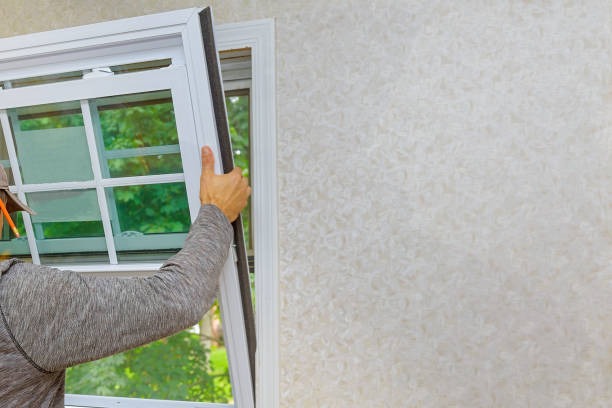
When renovating a home, the choice of windows plays a crucial role in both aesthetics and functionality. Windows with different designs can significantly impact the overall look, energy efficiency, natural light distribution, and ventilation of a space. Selecting varied window styles tailored to specific rooms or purposes enhances not only the visual appeal but also the comfort and usability of living areas.
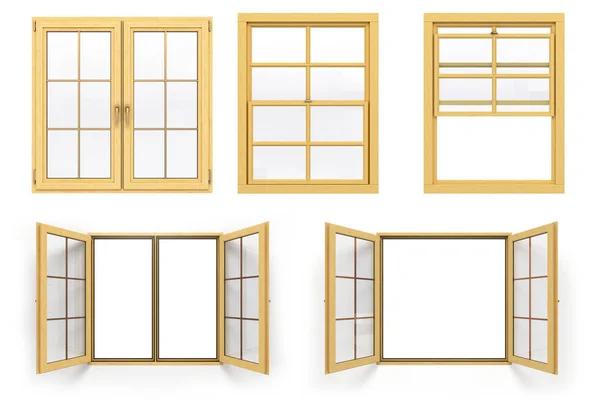
Different window designs provide unique architectural elements that contribute to defining a home’s character. For example, traditional double-hung windows offer classic charm and ease of use, while casement windows open outward fully to maximize airflow. Bay or bow windows create additional interior space and allow panoramic views that bring in more sunlight. Incorporating these diverse styles during renovation enables homeowners to highlight certain features or adapt rooms for particular needs without compromising on design coherence.
Energy efficiency is another critical factor influenced by window selection. Modern window designs often include advanced glazing techniques, such as double or triple panes with low-emissivity coatings that reduce heat loss in winter and minimize heat gain during summer months. Choosing appropriate window types for each room-like smaller awning windows in bathrooms for privacy yet ventilation-helps maintain consistent indoor temperatures while reducing reliance on heating and cooling systems. This attention to detail supports sustainable living goals and lowers utility costs over time.
Natural light distribution varies depending on window placement and style, affecting mood and productivity within find the source here home. Large picture windows can flood living spaces with daylight, creating an inviting atmosphere ideal for social gatherings or relaxation. In contrast, narrow vertical windows may be better suited for stairwells or hallways where subtle illumination is sufficient without overpowering adjacent areas. By mixing different designs strategically throughout a renovation project, homeowners can optimize daylight exposure according to functional requirements across various zones.
Ventilation considerations also influence why diverse window choices matter during renovations. Operable windows like sliders or tilt-turn models allow fresh air circulation crucial for indoor air quality improvement while preventing moisture buildup that causes mold growth. Fixed glass panels might enhance views but do not offer airflow benefits; therefore integrating them alongside operable units balances aesthetics with practicality effectively.
In summary, incorporating multiple home window designs during renovation provides customized solutions addressing stylistic preferences alongside performance needs related to energy conservation, lighting enhancement, and ventilation management. Thoughtful selection aligned with architectural intent elevates both curb appeal and interior comfort levels sustainably over time-a key outcome every successful renovation strives to achieve.