When it comes to saving energy in your home, many people wonder if closing air vents in unused rooms is an effective strategy. Intuitively, it might seem logical to shut the vents in rooms you rarely use, as this could prevent heated or cooled air from entering those spaces, thereby directing more air to the rooms you occupy. However, the reality is more complex, and closing air vents can sometimes do more harm than good.
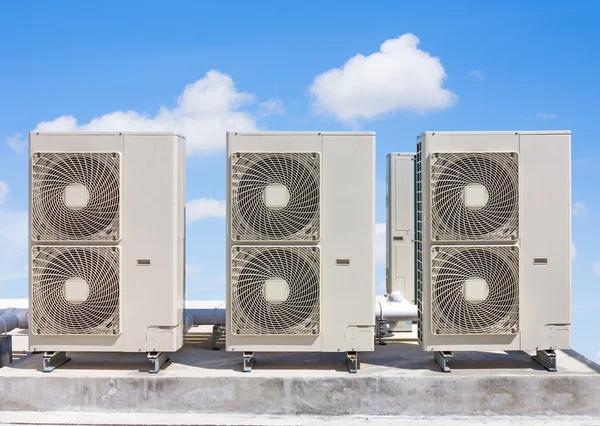
Air conditioning and heating systems are designed to work with a specific airflow throughout the entire ductwork. When you close vents in unused rooms, you disrupt this balance. The air that the system produces has nowhere to go, which can increase pressure in the ducts and force the HVAC system to work harder. This extra strain can lead to reduced efficiency, increased energy consumption, and potentially costly damage to your system over time.
Moreover, closed vents can cause uneven temperature distribution in your home. While you may be trying to save energy by focusing conditioned air in occupied rooms, the HVAC system may cycle on and off more frequently because it senses that the overall temperature is not reaching the desired setpoint. This cycling can waste energy and reduce comfort.
Instead of closing vents, a better approach to saving energy in unused rooms is to adjust the thermostat settings. For example, you can increase the temperature in summer or lower it in winter in those areas if your thermostat allows this website zoned control. If your home lacks this feature, consider installing a programmable thermostat or a zoning system that can control temperatures in different parts of the house independently. This method ensures the HVAC system operates efficiently without causing system damage or discomfort.
Additionally, improving insulation and sealing leaks in unused rooms can prevent unwanted heat loss or gain, reducing the demand on your HVAC system. Using curtains, blinds, or door draft stoppers can also help maintain the desired temperature in various rooms without needing to close vents.
In conclusion, while closing air vents in unused rooms might seem like a simple energy-saving tip, it is generally not recommended due to potential negative effects on your HVAC system’s performance and overall energy use. Instead, focus on optimizing thermostat settings, improving insulation, and considering zoning solutions for more effective and sustainable energy savings in your home.