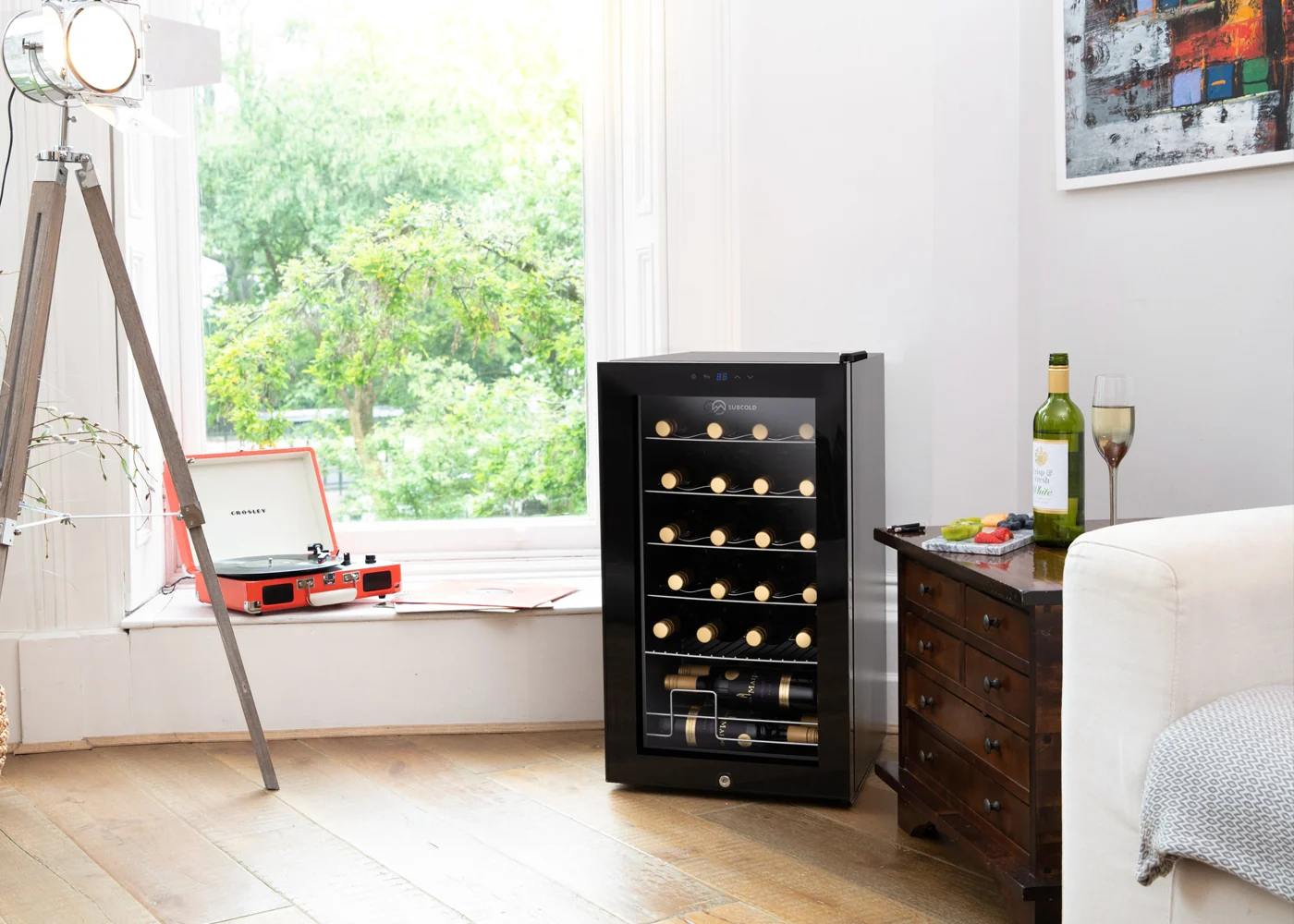
When considering the purchase of a wine cooler, it is important to understand several key factors to ensure you select the right model for your needs. A wine cooler, also known as a wine refrigerator, is designed to store and chill wine at optimal temperatures, preserving its flavor and quality over time. The first aspect to consider is capacity. Wine coolers come in various sizes, ranging from compact units that hold a dozen bottles to larger models capable of storing hundreds. Assess how many bottles you typically keep on hand or plan to collect in the future so that you don’t end up with insufficient space or an unnecessarily large appliance taking up room.
Temperature control is another critical feature. Different types of wines require different storage conditions; red wines generally need warmer temperatures than whites or sparkling varieties. Some advanced coolers offer dual-zone temperature controls, allowing you to store multiple types of wine at their ideal temperatures within one unit. If you enjoy a variety of wines, this feature can be particularly beneficial.
The cooling system itself varies between models and influences performance as well as noise levels. Thermoelectric coolers are quieter and use less energy but may struggle in very warm environments or when holding large quantities of bottles. Compressor-based systems function more like traditional refrigerators and are better suited for maintaining consistent low temperatures but tend to be noisier and consume more power.
Material quality and design should not be overlooked since these factors affect both durability and aesthetics. Stainless steel frames with tinted glass doors protect against UV light exposure while providing a sleek appearance suitable for most home decors. Adjustable shelves enhance flexibility by accommodating different bottle shapes and sizes comfortably without risking damage.
Energy efficiency is increasingly relevant given environmental concerns and electricity costs associated with running an appliance continuously over long periods. Look for models with Energy Star ratings or other certifications indicating lower power consumption without sacrificing cooling effectiveness.
Placement considerations include ventilation requirements because improper airflow can reduce cooling efficiency or cause overheating issues over time. Most manufacturers recommend leaving space around the unit’s sides or back depending on whether it’s built-in or freestanding.
Finally, price points vary widely depending on features, capacity, brand reputation, and additional functions such as humidity control or smart connectivity options that allow remote monitoring via smartphone apps.
By evaluating these factors carefully before buying a Wine Cooler, buyers can make informed decisions that match their lifestyle preferences while protecting their valuable wine collections effectively for years ahead.