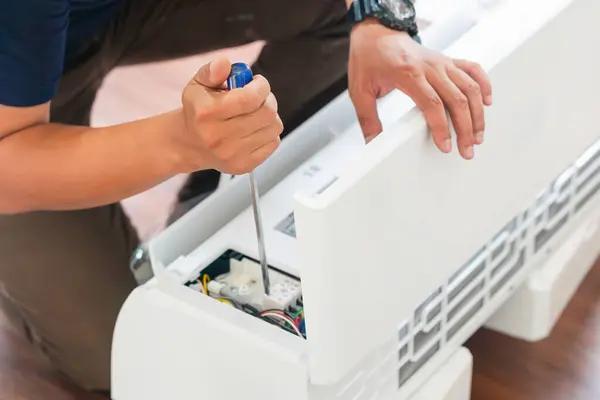
Understanding the key differences between HVAC replacement and repair is essential for homeowners and property managers when deciding how to address issues with their heating, ventilation, and air conditioning systems. Both options aim to restore comfort and efficiency in a building, but they differ significantly in scope, cost, duration, and long-term impact. Repair involves fixing specific problems within an existing system, such as a malfunctioning thermostat, refrigerant leaks, or worn-out components like fans or compressors. It is generally less expensive upfront compared to replacement because it targets only the faulty parts rather than the entire unit. Repairs can often be completed quickly by trained technicians who diagnose the issue and apply focused solutions to get the system running again.
In contrast, HVAC replacement entails removing the old system entirely and installing a new one. read more about it on this page option becomes necessary when repairs are no longer cost-effective due to frequent breakdowns or if the equipment has reached the end of its useful life-typically around 10 to 15 years depending on usage and maintenance history. Replacement provides an opportunity to upgrade to newer technology that offers improved energy efficiency, better performance, enhanced indoor air quality features, and compliance with current environmental regulations. Although it requires a higher initial investment than repair work, replacing an outdated unit can lead to substantial savings on utility bills over time.
Another important distinction lies in how each approach affects system reliability and future maintenance needs. Repairs may temporarily extend functionality but might not prevent recurring issues if underlying wear or design limitations persist. Repeated fixes can accumulate costs that eventually surpass what would have been spent on a full replacement earlier on. Conversely, installing a new HVAC system reduces unexpected failures since all components are fresh with warranties covering labor and parts for several years.
Deciding between repair or replacement depends heavily on factors such as the age of your equipment, frequency of repairs needed recently, energy consumption patterns before failure occurred, budget constraints at hand versus potential long-term benefits from upgrading your setup. Consulting with professional HVAC service providers helps identify whether repairing will restore sufficient operation or if investing in new equipment makes more sense financially while improving overall comfort levels throughout seasons.
In summary, while repairing addresses immediate malfunctions at lower short-term expense by fixing broken parts within an existing HVAC unit without changing its core structure; replacing involves discarding outdated machinery entirely for modern alternatives designed for greater efficiency plus durability which ultimately enhances home climate control quality along with reducing ongoing operating costs over many years ahead.