In today’s world, where energy costs are continually rising and environmental concerns are at the forefront, upgrading your HVAC system can be a smart investment that enhances both efficiency and comfort. By focusing on cost-saving upgrades, homeowners can significantly reduce their utility bills while ensuring a comfortable indoor environment year-round.
One of the most effective ways to improve HVAC efficiency is by upgrading to a programmable thermostat. Unlike traditional thermostats, programmable ones allow you to set specific temperatures for different times of the day or week. This means your system isn’t running unnecessarily when no one is home or during sleeping hours, thus conserving energy and reducing costs. Smart thermostats take this a step further by learning your habits over time and adjusting settings automatically for optimal efficiency.
Another upgrade click to explore consider is improving insulation throughout your home. Proper insulation helps maintain desired indoor temperatures by preventing heat loss in winter and heat gain in summer. This reduces the workload on your HVAC system, leading to lower energy consumption and prolonged equipment life. Sealing leaks around windows, doors, and ductwork also contributes significantly to maintaining an efficient heating and cooling system.
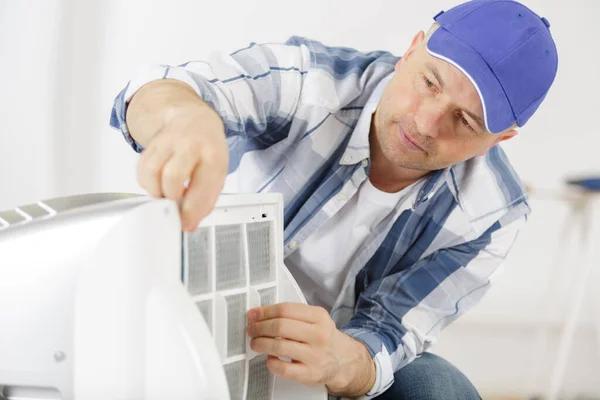
Investing in high-efficiency air filters can further enhance HVAC performance while promoting better indoor air quality. These filters trap more dust, pollen, and other airborne particles than standard filters do, which not only improves air quality but also ensures smoother operation of the system by preventing clogs that force it to work harder.
For those with older systems nearing the end of their lifespan, replacing them with modern energy-efficient models may be the most cost-effective solution in the long run. Newer units are designed with advanced technology that provides superior performance using less energy compared to older models. While initial installation costs might seem daunting, federal tax credits or rebates from local utility companies often help offset these expenses.
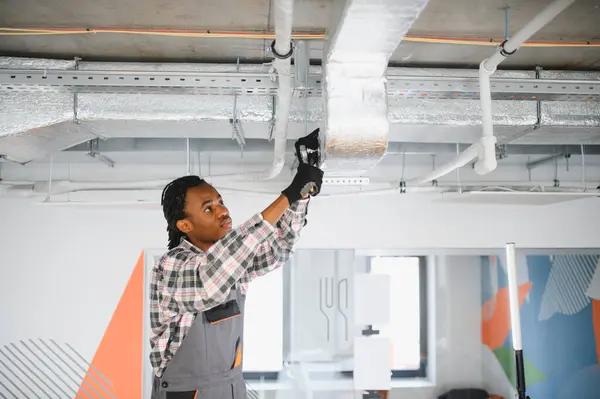
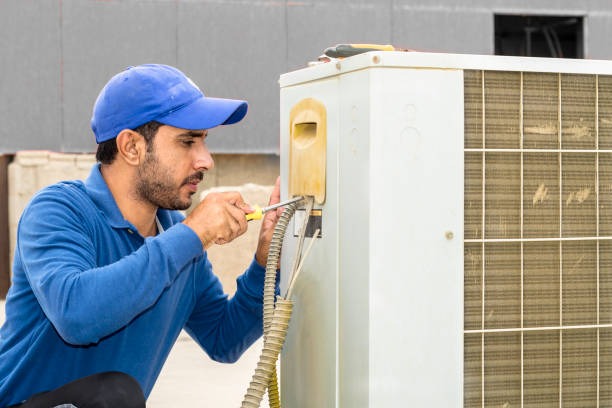
Regular maintenance should not be overlooked when considering cost-saving measures for an HVAC system. Scheduling annual check-ups ensures all components function correctly; technicians can identify potential issues before they become costly repairs or cause breakdowns during peak usage periods.
Additionally, integrating zoning systems into larger homes offers targeted temperature control across different areas without wasting resources on unoccupied spaces—leading directly back into savings through reduced operational demands placed upon central units themselves!
In conclusion: investing wisely now pays dividends later via enhanced comfort levels coupled alongside tangible reductions seen monthly billing statements alike! By implementing these strategic upgrades incrementally (as budget allows), homeowners position themselves favorably amidst ever-fluctuating market conditions affecting broader industry trends overall—a prudent approach indeed given current economic climate considerations globally speaking too!