Aging HVAC infrastructure often faces a variety of common failures that can significantly impact system efficiency, comfort levels, and operational costs. Over time, wear and tear on components become inevitable due to continuous use, environmental factors, and lack of proper maintenance. One frequent issue is the degradation of mechanical parts such as motors, belts, and bearings. These components experience friction and stress during operation, which gradually leads to reduced performance or complete failure. When motors struggle or fail entirely, the system may not deliver adequate airflow or temperature control.
Another prevalent problem in aging HVAC systems is refrigerant leaks. Refrigerants are crucial click for in-depth information heat exchange processes; however, seals and joints can deteriorate with age or corrosion. Leaks reduce cooling capacity while increasing energy consumption because the system must work harder to maintain desired temperatures. Additionally, outdated refrigerants used in older units might no longer comply with current environmental regulations, complicating repairs or replacements.
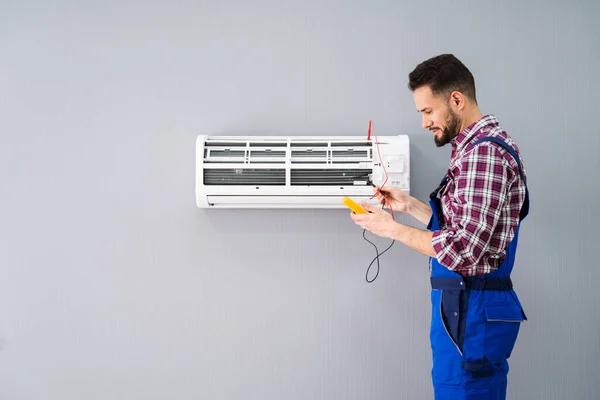
Electrical issues also commonly arise in older HVAC setups. Wiring insulation can break down over time due to heat exposure and vibration from equipment operation. Faulty connections or worn-out contactors may cause intermittent power interruptions or prevent the system from starting altogether. Such electrical failures not only hinder functionality but also pose potential safety hazards if left unaddressed.
Accumulation of dirt and debris within ducts and filters presents another challenge for aging infrastructure. Clogged air filters restrict airflow which forces fans to operate under strain while diminishing indoor air quality by circulating dust particles throughout living spaces. Similarly, ductwork subjected to prolonged use may develop leaks at joints or suffer damage from pests leading to loss of conditioned air before it reaches intended rooms.
Corrosion affects metal components like coils and drain pans especially when exposed to moisture over extended periods without adequate protection or cleaning routines. Corroded coils reduce heat transfer efficiency causing longer run times whereas clogged condensate drains increase risk of water damage inside buildings.
Control systems embedded in older HVAC units tend to be less sophisticated than modern counterparts lacking precise sensors or programmable features that optimize energy usage based on occupancy patterns and weather conditions. This limitation results in higher utility bills compared with newer technologies designed for smarter energy management.
In summary, common failures found in aging HVAC infrastructure include mechanical wear on moving parts, refrigerant leaks due to seal deterioration, electrical faults caused by degraded wiring connections, accumulation of debris restricting airflow through filters and ducts, corrosion impacting critical metal elements within the system structure as well as obsolete control mechanisms unable to efficiently regulate operations according to contemporary standards-all contributing collectively toward diminished reliability and increased operating expenses over time unless timely maintenance interventions are performed consistently throughout the lifespan of these essential climate control systems.