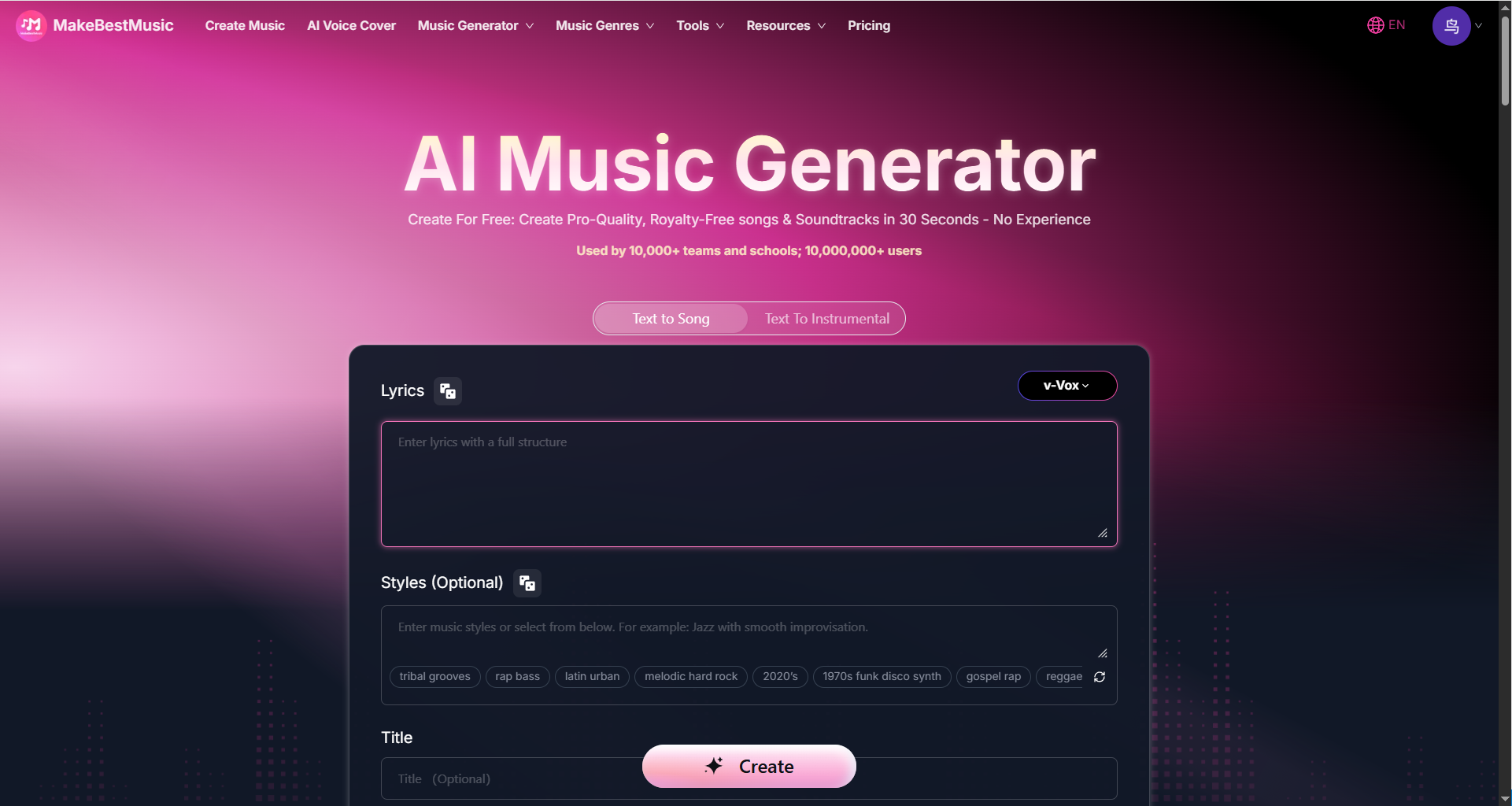
Artificial intelligence (AI) has revolutionized many creative fields, and music production is no exception. For beginners and content creators looking to explore the world of AI-generated music, understanding how AI music makers work and how to effectively use them can open up new avenues for creativity and efficiency. This guide aims to provide a clear overview of AI music makers, their benefits, and practical tips for getting started.
AI music makers are software tools that use machine learning algorithms to compose, arrange, or enhance musical pieces automatically. These platforms analyze vast datasets of existing music to learn patterns such as melody, harmony, rhythm, and style. By doing so, they can generate original compositions or assist users in creating custom tracks without needing extensive knowledge of traditional music theory or production techniques.
One significant advantage of AI music maker makers is accessibility. Beginners who may not play an instrument or understand complex audio editing software can still produce quality soundtracks by leveraging intuitive interfaces powered by AI. Many applications offer simple controls where users select genres, moods, tempos, or instruments; the AI then generates a piece tailored to those preferences. This democratization allows content creators-such as YouTubers, podcasters, game developers-to quickly obtain royalty-free background scores that fit their projects perfectly.
1. Choose the right tool: Popular options include platforms like Amper Music, AIVA (Artificial Intelligence Virtual Artist), Soundraw.io, and OpenAI’s MuseNet among others. Each has unique features catering to different needs-some focus on cinematic scores while others excel at electronic beats.
2. Experiment with presets: Most tools come with preset styles or templates designed for various moods such as upbeat pop tunes or calm ambient sounds. Experimenting helps you understand what each setting influences in the final composition.
3. Customize thoughtfully: While AI generates much of the content automatically,some programs allow manual adjustments like changing chord progressions or adding layers/instruments which enable more personalized results without overwhelming complexity.
4. Use generated tracks responsibly: Always check licensing agreements since some services require attribution or have restrictions on commercial use even if the track is created by AI.
5. Combine human creativity with AI assistance: Rather than relying solely on automated output,cultivate your own input by tweaking melodies,varying arrangements,and layering vocals/samples.This hybrid approach often yields richer,more engaging soundscapes suited for professional-quality productions.
In conclusion,the integration of artificial intelligence into music creation presents exciting possibilities especially for those new to composing as well as seasoned content creators seeking efficient workflows.With accessible interfaces,multi-genre support,and customizable options,Ai-driven tools empower users across skill levels.Invest time exploring different platforms,to discover which aligns best with your creative vision,and embrace this technology as a collaborative partner rather than just a shortcut.This mindset will maximize both artistic satisfaction and productivity in your musical endeavors going forward.