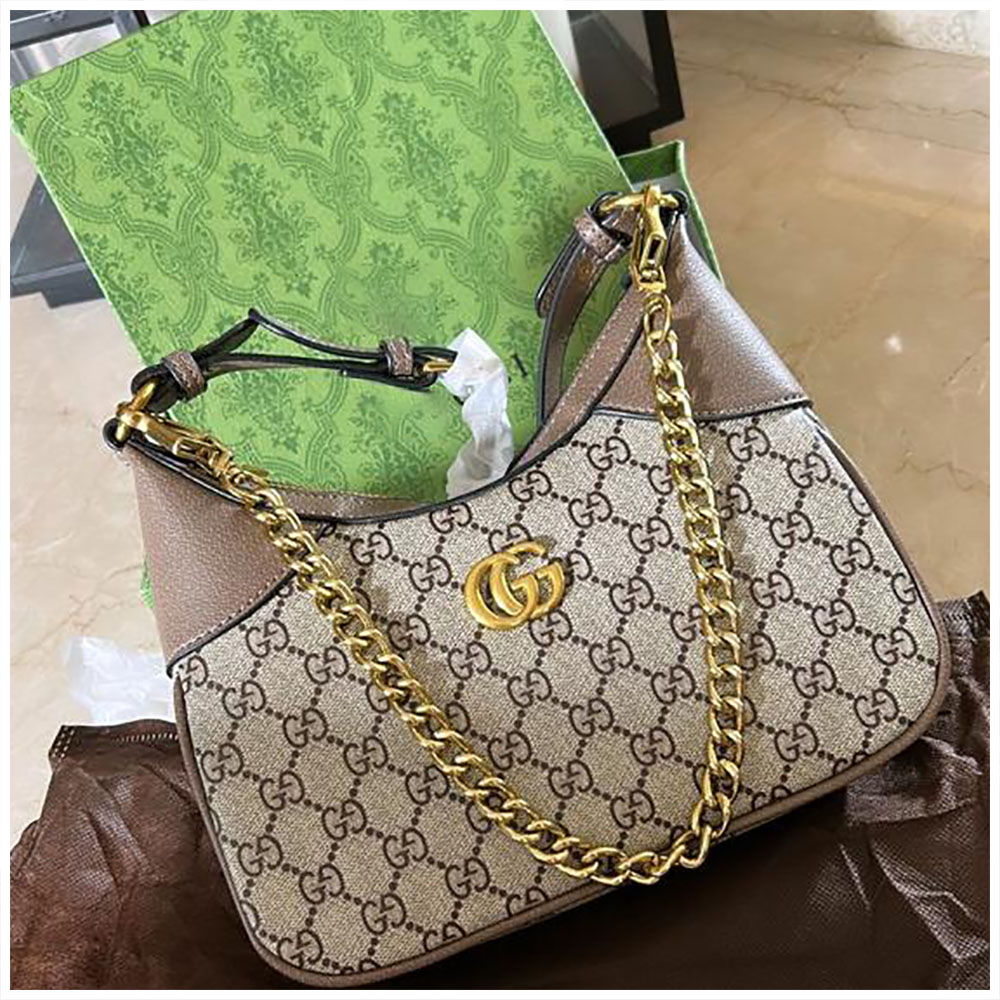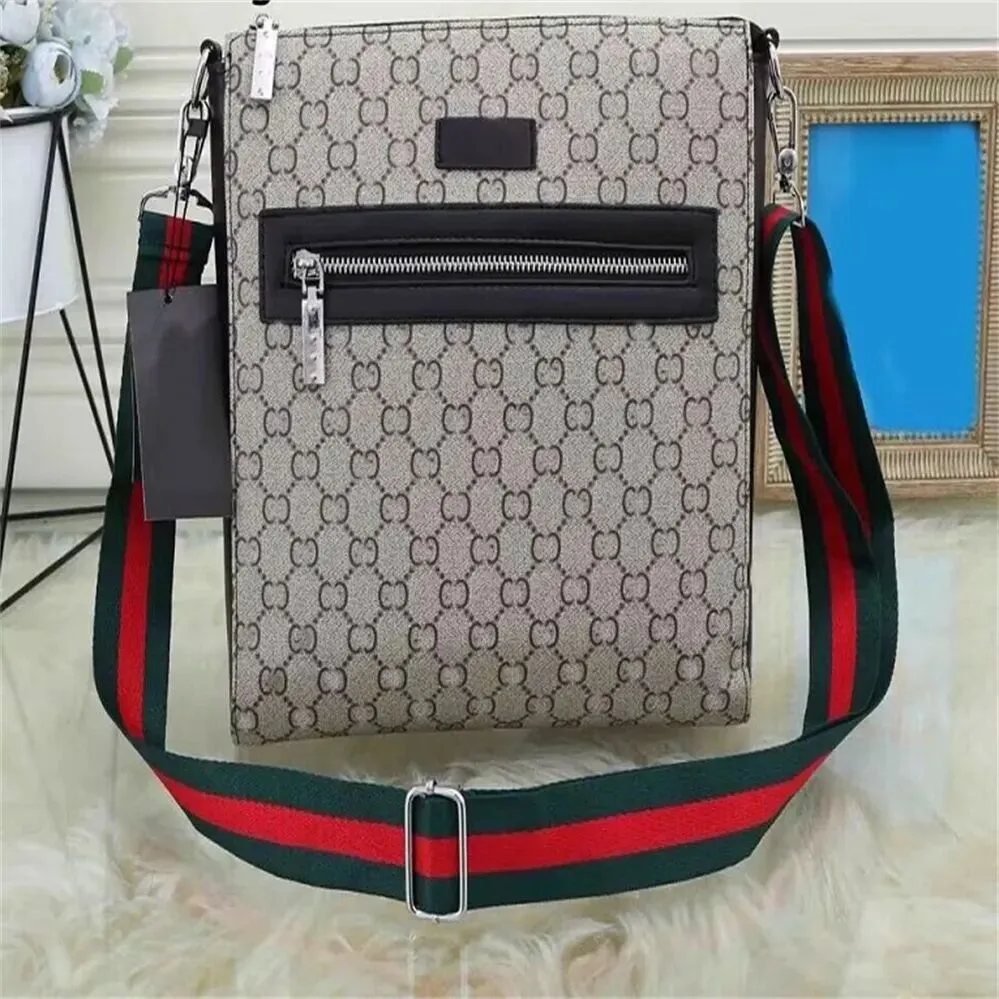
In recent years, the fashion industry has witnessed a significant rise in the popularity of counterfeit luxury goods, with Gucci fake bags emerging as one of the most sought-after items among consumers who admire high-end designer aesthetics but are constrained by budget. These imitation products are often inspired by popular designer looks and aim to replicate the opulence and style associated with authentic Gucci handbags. The allure of owning a piece that closely resembles an original Gucci bag without bearing the hefty price tag has driven demand for these replicas, making them prevalent in both online marketplaces and street vendors.
The craftsmanship behind Gucci Fake Bags varies widely, ranging from low-quality imitations to surprisingly well-made reproductions that can easily deceive an untrained eye. Many manufacturers focus on replicating signature elements such as the iconic GG logo pattern, distinctive hardware, and classic color schemes that define Gucci’s brand identity. By closely mimicking these features, counterfeit producers create bags that appeal to fashion enthusiasts eager to emulate celebrity styles or keep up with current trends influenced by social media influencers and runway shows.
Despite their visual similarities to genuine products, fake Gucci bags typically fall short in terms of material quality and durability. Authentic Gucci handbags use premium leather, precise stitching techniques, and high-grade metal accents which contribute not only to their aesthetic appeal but also their longevity. In contrast, counterfeit versions often employ synthetic materials or lower-grade leather substitutes which may deteriorate quickly under regular use. However, for many buyers prioritizing appearance over longevity or authenticity verification is minimal due to limited access or knowledge about genuine product details.
The ethical considerations surrounding purchasing fake designer goods like Gucci bags cannot be overlooked. Counterfeit markets undermine intellectual property rights held by luxury brands and potentially support illicit trade networks involving exploitative labor practices. Additionally, acquiring knockoff items perpetuates a culture where originality is undervalued in favor of superficial status symbols. Nevertheless, some argue that replica products democratize fashion by allowing broader demographics access to trendy designs otherwise reserved for affluent consumers.
Technological advancements have further complicated efforts to distinguish real from fake handbags; sophisticated printing methods and improved manufacturing processes enable counterfeiters to produce highly convincing replicas at lower costs than ever before. This evolution challenges both consumers seeking authentic purchases and law enforcement agencies tasked with curbing illegal trade activities.
Ultimately, while Gucci fake bags inspired by popular designer looks offer an affordable alternative for those captivated by luxury fashion aesthetics, they come with trade-offs related to quality assurance and ethical implications. Consumers should weigh these factors carefully when considering such purchases and remain informed about identifying genuine products through official channels or expert consultations if authenticity matters significantly in their buying decisions.