
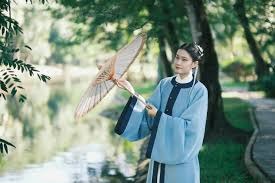
The Hanfu, a traditional attire worn by the Han Chinese, has experienced a resurgence in popularity in recent years, serving as both a symbol of cultural pride and an emblem of historical continuity. This ancient garment, characterized by its flowing robes and intricate designs, dates back over two millennia to the Han Dynasty. Today, it is not merely seen as a costume but rather as a vibrant expression of identity and heritage.
Historically, the Hanfu was more than just clothing; it was imbued with deep cultural significance. It represented social status and moral values while also reflecting the philosophical underpinnings of Confucianism that emphasized harmony and order. The garment’s design elements are laden with symbolism: wide sleeves denote freedom and gracefulness, while overlapping collars signify modesty. These features convey an ethos that transcends mere fashion.
In contemporary times, the revival of men’s hanfu male can be attributed to a growing movement among young people seeking to reconnect with their roots amidst rapid modernization. Wearing Hanfu has become an act of reclaiming cultural identity in an era where Western styles often dominate global fashion trends. For many enthusiasts, donning this attire is akin to stepping back into history—a way to honor ancestors and preserve traditions for future generations.
The rise in popularity of men’s Hanfu is not confined to China alone; it has garnered international attention as well. Cultural festivals around the world now feature showcases where participants proudly display their elaborate garments. Social media platforms have played a pivotal role in this renaissance by providing enthusiasts with avenues to share photos and experiences globally—sparking interest beyond national borders.
This renewed interest has also led to innovative adaptations that blend traditional aesthetics with modern sensibilities without compromising authenticity. Designers are experimenting with fabrics like silk blends or incorporating subtle contemporary touches such as concealed zippers or pockets—making these garments more practical for everyday wear while retaining their classic elegance.
Moreover, educational initiatives have emerged alongside this trend aimed at teaching younger generations about traditional craftsmanship techniques involved in making authentic Hanfus—from weaving intricate patterns on fabric using ancient looms down through meticulous hand-stitching processes passed down through centuries-old guilds dedicated solely towards preserving these skills alive today despite technological advancements threatening them constantly otherwise!
As we delve deeper into understanding our past through tangible means such as clothing choices reflecting shared histories across time periods spanning vast distances geographically speaking too perhaps—it becomes increasingly clear why embracing something seemingly simple yet profoundly meaningful like wearing Men’s hanfuis indeed becoming popular once again worldwide!