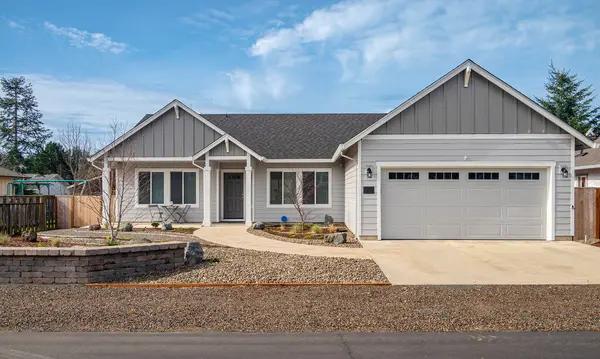
Improving the exterior of a home requires careful planning and execution to ensure lasting results that enhance both curb appeal and property value. The process begins with a thorough assessment of the current condition of the exterior surfaces, including siding, paint, roofing, windows, doors, and landscaping. Identifying areas that need repair or replacement is crucial before any cosmetic changes are made. This initial evaluation helps prioritize tasks based on urgency and budget constraints.
Once the assessment is complete, setting clear goals for the project will guide decisions throughout the improvement process. Whether aiming to increase energy efficiency, update aesthetics, or boost resale value, understanding these objectives allows for targeted improvements. Researching styles and materials compatible with your home’s architecture can also help maintain cohesion in design while introducing modern elements.
Next comes budgeting and scheduling. Establishing a realistic budget ensures that all necessary repairs and upgrades can be completed without unexpected financial strain. It is wise to allocate extra funds for unforeseen issues discovered during renovations. Creating a timeline that sequences tasks logically-starting from structural repairs moving toward cosmetic enhancements-helps streamline work flow and minimizes disruptions.
Addressing structural concerns should be prioritized early in learn the key points plan because they affect safety and durability. Repairing damaged siding or trim prevents moisture intrusion which could lead to mold or rot inside walls. Inspecting gutters and downspouts at this stage guarantees proper water drainage away from foundations to avoid long-term damage.
After securing structural integrity, attention shifts toward aesthetic improvements such as painting or staining surfaces to refresh appearance while providing protection against weather elements. Choosing high-quality paints suited for outdoor use extends longevity between maintenance cycles.
Upgrading windows and doors not only improves visual appeal but also enhances insulation properties contributing to energy savings over time. Selecting durable materials with good thermal performance supports both comfort levels inside the home as well as environmental responsibility.
Landscaping plays an essential role in complementing architectural updates by framing the house attractively within its surroundings. Plant selections should consider climate adaptability along with ease of maintenance so outdoor spaces remain inviting year-round without excessive upkeep demands.
Finally, regular maintenance after completion preserves all efforts invested into improving your home’s exterior by preventing deterioration caused by weather exposure or wear over time. Scheduling routine inspections combined with timely cleaning keeps everything looking fresh longer while identifying minor problems before they escalate into costly repairs.
By following these steps methodically-from evaluation through ongoing care-you create an effective plan tailored specifically for enhancing your home’s exterior successfully while maximizing investment returns through improved functionality and beauty alike.