Efficient plumbing systems play a crucial role in reducing both utility bills and water waste, offering significant environmental and economic benefits. As the global population continues to grow, the demand for water increases, making it imperative to adopt sustainable practices. Efficient plumbing is one such practice that not only conserves precious resources but also leads to considerable savings on monthly expenses.
One of the primary ways efficient plumbing systems reduce water waste is through the use of low-flow fixtures. These include faucets, showerheads, and toilets designed to use significantly less water than their traditional counterparts without compromising performance. For instance, low-flow toilets can use as little as 1.28 gallons per flush compared to older models that may consume up to 7 gallons per flush. Similarly, modern showerheads can reduce water usage by nearly half while still providing adequate pressure for a comfortable experience.
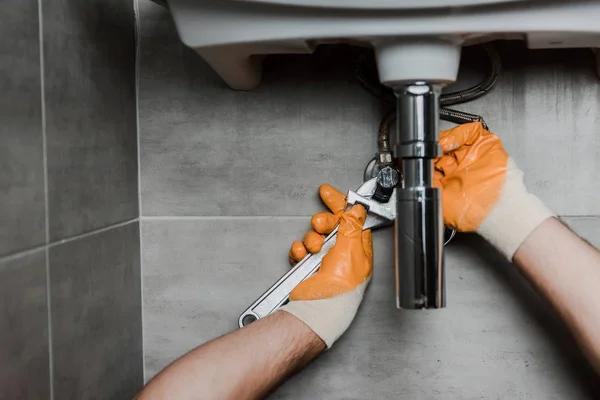
Moreover, efficient plumbing systems often incorporate advanced leak detection technologies. Leaks are a common issue plumbers in quincy, ma many households and can lead to substantial water wastage if left unaddressed. By installing smart meters or sensors that detect leaks early on, homeowners can prevent unnecessary loss of water and avoid hefty repair costs down the line. These technologies alert users promptly when they detect abnormalities in water flow or pressure, enabling quick intervention.
In addition to conserving water directly within homes or businesses, efficient plumbing contributes indirectly by reducing energy consumption associated with heating water. Traditional hot-water systems often require large amounts of energy; however, innovations such as tankless heaters provide hot water on demand without maintaining a reservoir at all times. This not only reduces energy usage but also lowers electricity or gas bills substantially over time.
The economic advantages extend beyond individual households; municipalities benefit from widespread adoption of efficient plumbing too. Reduced demand for treated municipal water means lower operational costs for city infrastructure which translates into potential savings for taxpayers over time.
Furthermore, implementing these systems aligns with broader sustainability goals aimed at preserving natural ecosystems by minimizing human impact on freshwater sources like rivers and lakes—a critical step towards ensuring long-term availability amidst changing climate conditions affecting rainfall patterns worldwide.
Educating consumers about these benefits remains essential so they understand how small changes contribute significantly towards conservation efforts while saving money simultaneously—a win-win situation encouraging wider adoption across communities globally striving toward greener futures collectively benefiting planet Earth along with its inhabitants alike!
In conclusion: embracing efficiency within our daily routines via improved technology represents an effective strategy tackling dual challenges faced today—namely rising living costs alongside dwindling natural reserves—ultimately fostering more resilient societies capable thriving sustainably amid ever-evolving landscapes tomorrow holds ahead!