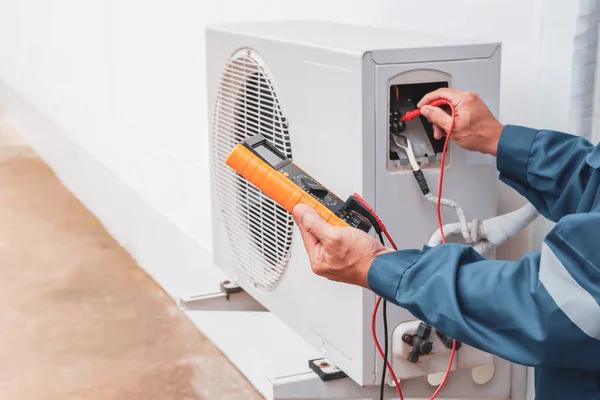
Before calling an AC repair technician, gathering key information about your air conditioning system can streamline the process and ensure a more efficient service experience. This preparation not only aids in diagnosing potential issues but also helps in communicating effectively with the technician, potentially saving both time and money.
Firstly, identify the make and model of your air conditioning unit. This information is typically found on a label attached to the unit itself or within any accompanying documentation you may have received at purchase. Knowing this allows the technician to understand specific components or common issues associated with that particular brand or model. Additionally, having access to any warranty details is crucial; it helps determine if certain repairs might be covered under warranty terms, which can significantly reduce out-of-pocket expenses.
Next, take note of any recent performance issues you’ve observed. Common symptoms such as unusual noises, inconsistent cooling, or unexpected shutdowns provide valuable clues for troubleshooting. Try to recall when these problems started and whether they are continuous or intermittent. Documenting these observations will help the technician diagnose the issue more accurately upon arrival.
It’s equally important to check your thermostat settings before making a call. Sometimes what seems like a malfunction could simply go here be incorrect settings on your thermostat—such as wrong temperature settings or being set to ‘heat’ instead of ‘cool’. Verifying this beforehand might resolve some minor issues without requiring professional intervention.
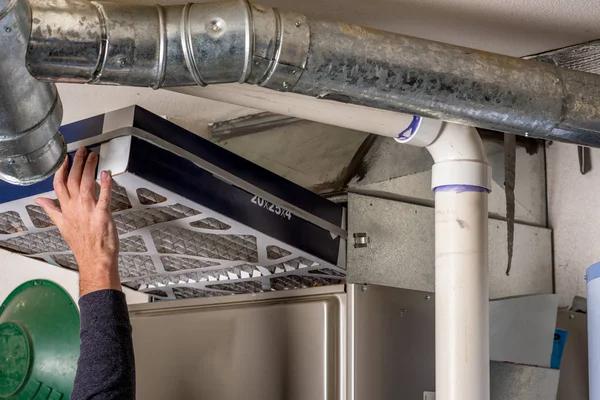
Additionally, inspect visible components such as filters and vents for cleanliness and obstructions. A clogged filter can impede airflow significantly, leading to reduced efficiency and increased strain on your system. Regularly replacing filters according to manufacturer recommendations is essential for optimal performance but checking them before contacting a technician ensures you’re addressing all basic preventative measures first.
Consider reviewing records of past maintenance work done on your AC unit if available. Details about previous repairs or parts replaced provide context that might influence current problems; it informs technicians about recurring patterns that need addressing beyond immediate fixes.
Lastly, assess external factors like weather conditions that could affect system performance temporarily—extreme temperatures can sometimes cause systems to behave erratically without indicating underlying mechanical failures.
By compiling this comprehensive set of information prior to contacting an AC repair technician, you facilitate clearer communication regarding potential diagnostics needed while demonstrating proactive maintenance efforts undertaken by yourself thus far—a factor technicians appreciate greatly during their assessment process—and ultimately contribute towards achieving quicker resolution times aligned closely with budgetary considerations put forth at outset stages involved therein accordingly throughout entire engagement duration experienced overall thereafter subsequently concluded satisfactorily altogether ensuring continued comfort within home environment maintained consistently moving forward indefinitely henceforth assuredly so indeed always expectedly anticipated reliably confidently assured conclusively!