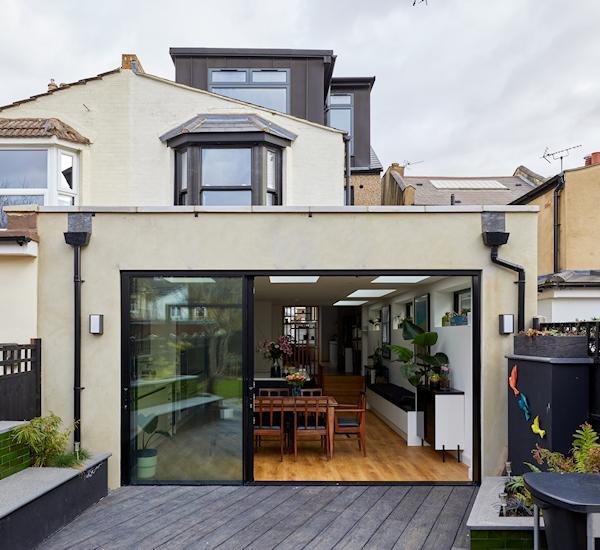
In recent years, flat roof extensions have become increasingly popular in London’s residential architecture, reflecting a shift in design preferences and practical considerations. This trend is driven by several factors that make flat roof extensions an attractive option for homeowners seeking to expand their living space while maintaining aesthetic appeal and functionality.
One of the primary reasons behind the growing popularity of flat roof extensions is their modern and minimalist appearance. Unlike traditional pitched roofs, flat roofs offer a sleek, contemporary look that complements urban settings well. Many London homeowners appreciate this clean design as it blends seamlessly with both older Victorian or Edwardian homes and newer developments. The simplicity of the structure allows for more creative freedom when designing interior spaces, often resulting in bright, open-plan rooms with large windows or skylights that maximize natural light.
Another significant advantage is the cost-effectiveness associated with constructing flat roof extensions compared to pitched roofs. Flat roofs typically require fewer materials and less complex structural work, which can reduce overall building expenses. For many London residents facing high property prices and limited budgets for home improvements, this makes flat roof extensions an economically viable solution to increase usable space without relocating.
Space efficiency also plays a crucial role in their rising demand. In densely populated areas like London where garden sizes are limited and planning permissions can be restrictive, extending upwards or outwards using a traditional pitched roof may not always be feasible. Flat roofs provide more flexibility because they allow for additional floors or loft conversions without significantly altering the external profile of the property. Furthermore, some designs incorporate green roofs or rooftop terraces on these flat surfaces, creating valuable outdoor living areas that enhance lifestyle quality despite restricted ground-level space.
Sustainability concerns further contribute to this trend. Flat roofing systems are often compatible with eco-friendly technologies such as solar panels or rainwater harvesting setups due to their accessible horizontal surface area. Homeowners increasingly seek ways to reduce energy consumption and environmental impact; thus incorporating sustainable features into new extensions aligns well with current environmental awareness movements across London communities.
Lastly, advancements in construction techniques and materials have improved the durability and insulation properties of flat roofs considerably over time. Modern waterproof membranes prevent leaks effectively while thermal insulation standards ensure energy efficiency comparable to conventional roofing methods. As confidence grows among builders and buyers regarding long-term performance issues traditionally associated with flat roofs, more people feel comfortable opting for these solutions.
In summary, the combination of aesthetic appeal, cost savings, spatial versatility, sustainability benefits, and improved technology explains why flat roof extension London projects are gaining momentum throughout London’s housing market today. This architectural approach offers practical answers to urban living challenges while supporting modern lifestyles-making it an increasingly favored choice among homeowners looking to enhance their properties thoughtfully and efficiently.